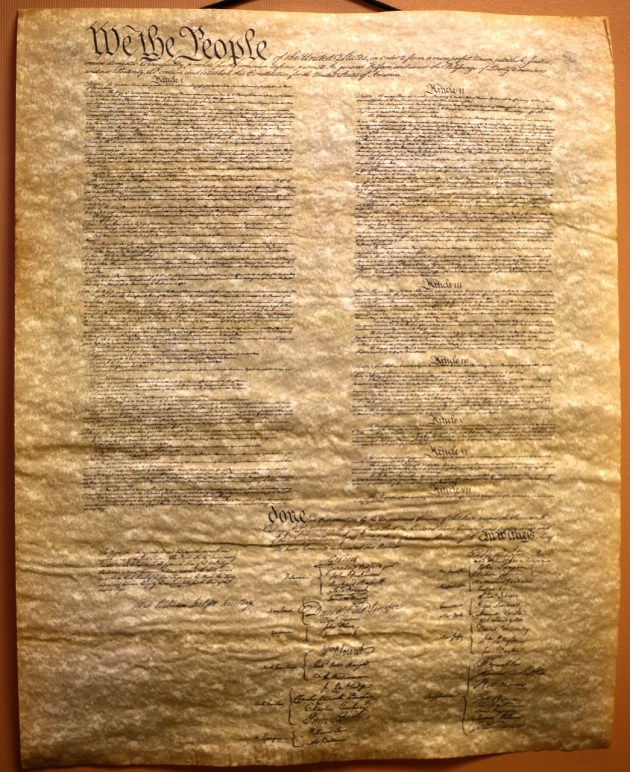
The American Constitution is the supreme law of the United States, laying the foundation for how the government is structured and how it operates. Written in 1787 and ratified in 1788, it established three main branches of government—legislative, executive, and judicial—to ensure a balance of power. The Constitution replaced the weaker Articles of Confederation and created a stronger federal government while still protecting the rights of individual states and citizens.
One of the most important features of the Constitution is its ability to be amended. The first ten amendments, known as the Bill of Rights, were added in 1791 and guarantee essential freedoms like freedom of speech, religion, and the right to a fair trial. Since then, 17 more amendments have been added, addressing issues such as voting rights, the abolition of slavery, and presidential term limits. The flexibility of the amendment process has allowed the Constitution to adapt over time while maintaining its core principles.
Some interesting facts about the Constitution include that it is the oldest written national constitution still in use today. It was signed by 39 delegates at the Constitutional Convention in Philadelphia, and George Washington was its presiding officer. Another fun fact: the original Constitution is just over 4,400 words long, making it relatively short compared to other countries’ constitutions. Despite its age, the U.S. Constitution continues to serve as a model for democracy around the world.